Regional Power Pools: Africa's Greatest Opportunity to Accelerate Electrification




This article has been supplied.
As Africa strives to achieve universal access to electricity while supporting economic growth and industrialisation, regional power pools are increasingly being recognised as one of the continent's most powerful tools for accelerating electrification, enhancing energy security, and unlocking investment.
Despite possessing some of the world's largest renewable and conventional energy resources, Africa remains home to more than 600 million people without access to electricity. At the same time, many countries continue to experience generation shortages, transmission constraints, and rising energy costs. Bridging this gap will require not only significant investment in generation capacity but also greater regional cooperation and cross-border energy trade.
Regional power pools offer a practical and proven solution.
By connecting national electricity networks and enabling countries to trade power across borders, regional power pools allow nations to share resources, improve system reliability, optimise generation assets, and reduce the cost of electricity supply. Rather than each country attempting to build sufficient generation capacity independently, interconnected markets enable surplus electricity in one region to support demand in another.
Africa currently hosts five regional power pools: the Southern African Power Pool (SAPP), Eastern Africa Power Pool (EAPP), West African Power Pool (WAPP), Central African Power Pool (CAPP), and the Comité Maghrébin de l'Électricité (COMELEC) in North Africa. Together, these organisations represent one of the most significant opportunities for transforming the continent's energy landscape.
The Southern African Power Pool has already demonstrated the value of regional integration. Established in 1995, SAPP enables member utilities and independent power producers to trade electricity across Southern Africa, helping countries manage supply shortages and improve system resilience. Similar progress is being made in East and West Africa, where regional interconnections are creating larger and more attractive electricity markets for investors.
The importance of regional integration is becoming even more pronounced as Africa accelerates the deployment of renewable energy. Many renewable resources are concentrated in specific geographic areas. Hydropower potential is abundant in countries such as the Democratic Republic of Congo, Ethiopia, and Zambia. Exceptional solar resources exist across Southern and North Africa, while wind potential continues to attract investment in countries such as Kenya, Morocco, South Africa, and Egypt.
Regional transmission infrastructure allows these resources to be shared across borders, helping countries benefit from clean energy generation regardless of where the resource is located. It also supports greater grid stability by balancing intermittent renewable energy production across larger geographic regions.
According to the African Development Bank and other continental energy institutions, regional electricity markets could significantly reduce the overall cost of electricity supply while supporting broader economic integration and industrial development. Larger regional markets also improve project bankability by providing developers with access to multiple off-takers and a broader customer base.
The benefits extend beyond electrification.
Power pool integration supports industrialisation, attracts foreign direct investment, enhances energy security, improves grid resilience, and enables countries to better respond to energy shocks and supply disruptions. For investors, regional electricity markets create opportunities to develop larger generation projects and transmission infrastructure capable of serving multiple countries.
However, important challenges remain.
Expanding regional power pools requires substantial investment in transmission infrastructure, harmonised regulatory frameworks, improved market governance, enhanced utility performance, and greater political cooperation. Cross-border projects often involve complex financing structures and lengthy development timelines. Addressing these challenges will require stronger collaboration between governments, regulators, utilities, financiers, development institutions, and the private sector.
Encouragingly, momentum is building.
Major regional transmission projects are under development across Africa, while initiatives such as the African Single Electricity Market (AfSEM) seek to create a unified continental electricity market capable of supporting the ambitions of the African Continental Free Trade Area (AfCFTA) and Mission 300's goal of expanding energy access to hundreds of millions of Africans.
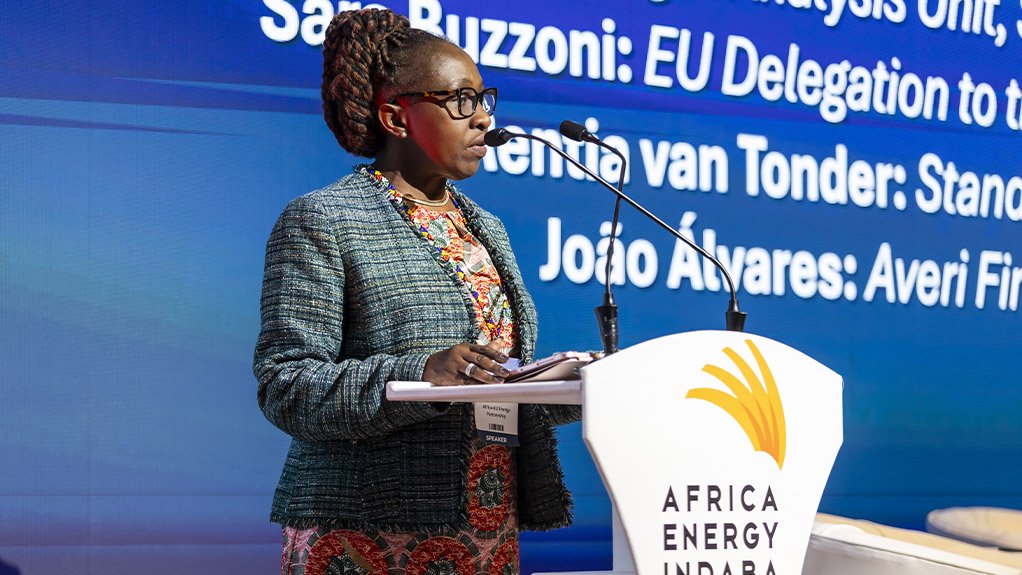
Recognising the critical role of regional integration in Africa's energy future, Regional Power Pools: The Opportunity to Electrify Africa will be a key topic of discussion at the Africa Energy Indaba, taking place from 2–4 March 2027 at the Cape Town International Convention Centre (CTICC).
Energy ministers, power pool executives, utilities, regulators, transmission companies, investors, multilateral institutions, independent power producers, and development finance organisations will gather to explore how regional cooperation can accelerate electrification, improve energy security, unlock investment, and support Africa's economic growth ambitions.
Discussion topics will include cross-border electricity trading, transmission infrastructure investment, regional market development, renewable energy integration, regulatory harmonisation, the African Single Electricity Market, and the role of regional power pools in delivering universal access to energy.
As Africa seeks to power its industries, expand economic opportunities, and improve the lives of millions, regional power pools may prove to be one of the continent's most important and transformative energy assets.
The future of African energy is not only national, it is increasingly regional.
Article Enquiry
Email Article
Save Article
Feedback
To advertise email advertising@creamermedia.co.za or click here
Research Reports
Projects

Latest Multimedia
Latest News
Showroom
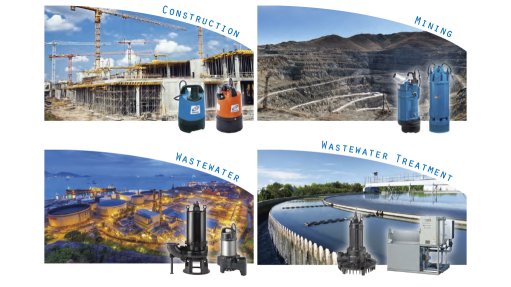
Tsurumi Pumps Africa is a specialist supplier of Japanese-engineered submersible pumping solutions, serving customers across the African continent.
VISIT SHOWROOM
ALBIS FLANGES — founded in 1965 — is a petro-chemical approved manufacturer of flanges and fittings in most grades of steel, listed with Sasol,...
VISIT SHOWROOM

Press Office
Announcements
What's On
Subscribe to improve your user experience...
Option 1 (equivalent of R125 a month):
Receive a weekly copy of Creamer Media's Engineering News & Mining Weekly magazine
(print copy for those in South Africa and e-magazine for those outside of South Africa)
Receive daily email newsletters
Access to full search results
Access archive of magazine back copies
Access to Projects in Progress
Access to ONE Research Report of your choice in PDF format
Option 2 (equivalent of R375 a month):
All benefits from Option 1
PLUS
Access to Creamer Media's Research Channel Africa for ALL Research Reports, in PDF format, on various industrial and mining sectors
including Electricity; Water; Energy Transition; Hydrogen; Roads, Rail and Ports; Coal; Gold; Platinum; Battery Metals; etc.
Already a subscriber?
Forgotten your password?
Receive weekly copy of Creamer Media's Engineering News & Mining Weekly magazine (print copy for those in South Africa and e-magazine for those outside of South Africa)
➕
Recieve daily email newsletters
➕
Access to full search results
➕
Access archive of magazine back copies
➕
Access to Projects in Progress
➕
Access to ONE Research Report of your choice in PDF format
RESEARCH CHANNEL AFRICA
R4500 (equivalent of R375 a month)
SUBSCRIBEAll benefits from Option 1
➕
Access to Creamer Media's Research Channel Africa for ALL Research Reports on various industrial and mining sectors, in PDF format, including on:
Electricity
➕
Water
➕
Energy Transition
➕
Hydrogen
➕
Roads, Rail and Ports
➕
Coal
➕
Gold
➕
Platinum
➕
Battery Metals
➕
etc.
Receive all benefits from Option 1 or Option 2 delivered to numerous people at your company
➕
Multiple User names and Passwords for simultaneous log-ins
➕
Intranet integration access to all in your organisation